Device Compatibility Shapes Reward Distribution in Gaming Applications
Devon Klein · Aug 19, 2026
Device Compatibility Shapes Reward Distribution in Gaming Applications
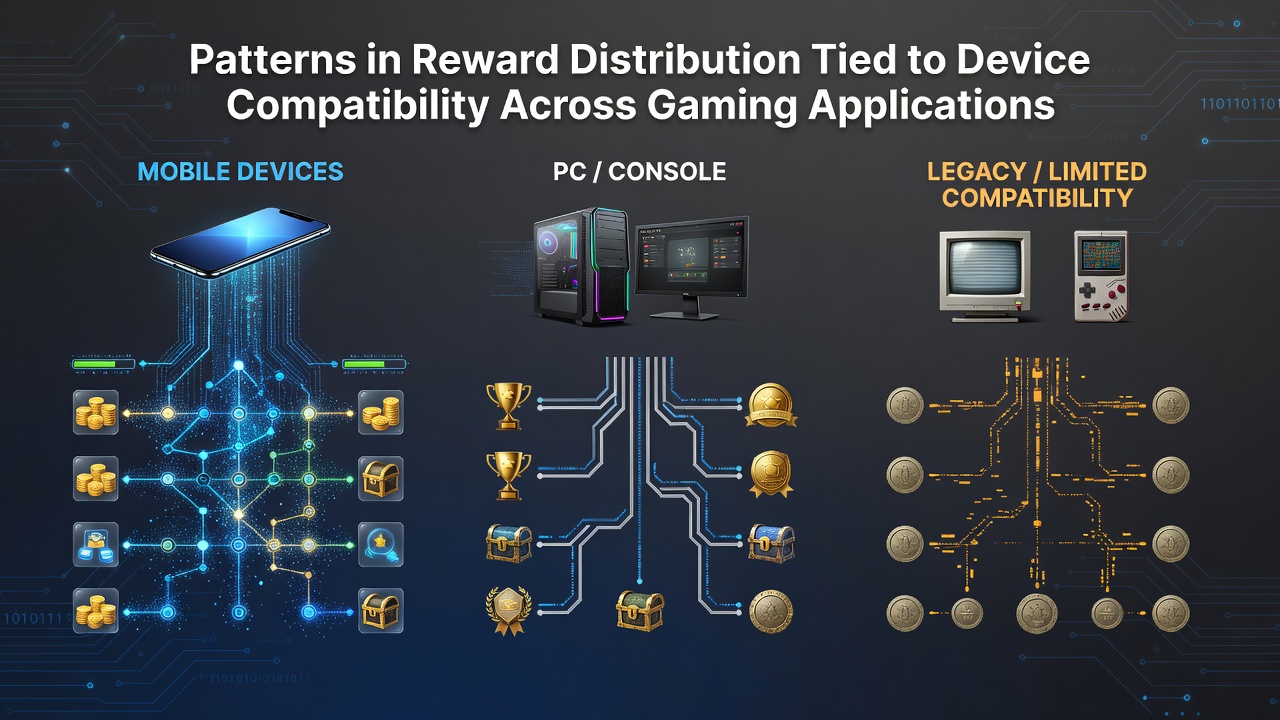
Device compatibility plays a central role in how rewards get allocated within gaming applications, with developers and operators adjusting bonus structures, spin incentives, and loyalty points based on the hardware and software users employ. Data from industry tracking services indicate that iOS and Android platforms often receive distinct reward tiers, while desktop versions follow separate allocation rules tied to processing capabilities and user interface constraints. These patterns emerge because app store guidelines, operating system updates, and hardware specifications directly influence which features remain accessible and how frequently users can claim promotions.
Platform Differences Drive Allocation Patterns
Studies conducted across multiple markets reveal that Android users encounter reward distributions favoring frequent small bonuses, whereas iOS participants often receive larger but less frequent incentives linked to stricter app review processes and payment integration standards. Observers note that device-specific coding requirements create these variations, since developers must optimize for different screen resolutions, processor speeds, and memory allocations that affect gameplay stability and reward delivery timing. In August 2026, several major gaming operators reported shifts in their mobile reward programs after widespread adoption of new Android versions, with compatibility adjustments leading to revised bonus frequencies on that platform.
Desktop environments present another layer, where reward systems emphasize session length rather than device mobility, producing patterns that favor cumulative loyalty points over immediate spin credits. Those who've analyzed transaction logs find that cross-platform users switching between devices experience reward resets or conversions that reflect compatibility limitations, such as reduced functionality on older hardware unable to support real-time interaction formats.
Data Trends Across Operating Systems
Figures released by the American Gaming Association highlight how device compatibility correlates with reward redemption rates, showing higher engagement on newer iOS models equipped with advanced graphics processing compared to legacy Android devices. Research indicates that operators adjust progressive jackpot contributions and loyalty tier advancements according to these technical thresholds, ensuring that reward distribution remains balanced against system performance metrics. One analysis of portable gaming applications found that users on high-compatibility devices accessed layered incentives more readily, while those on lower-end hardware encountered simplified reward pathways due to interface constraints.
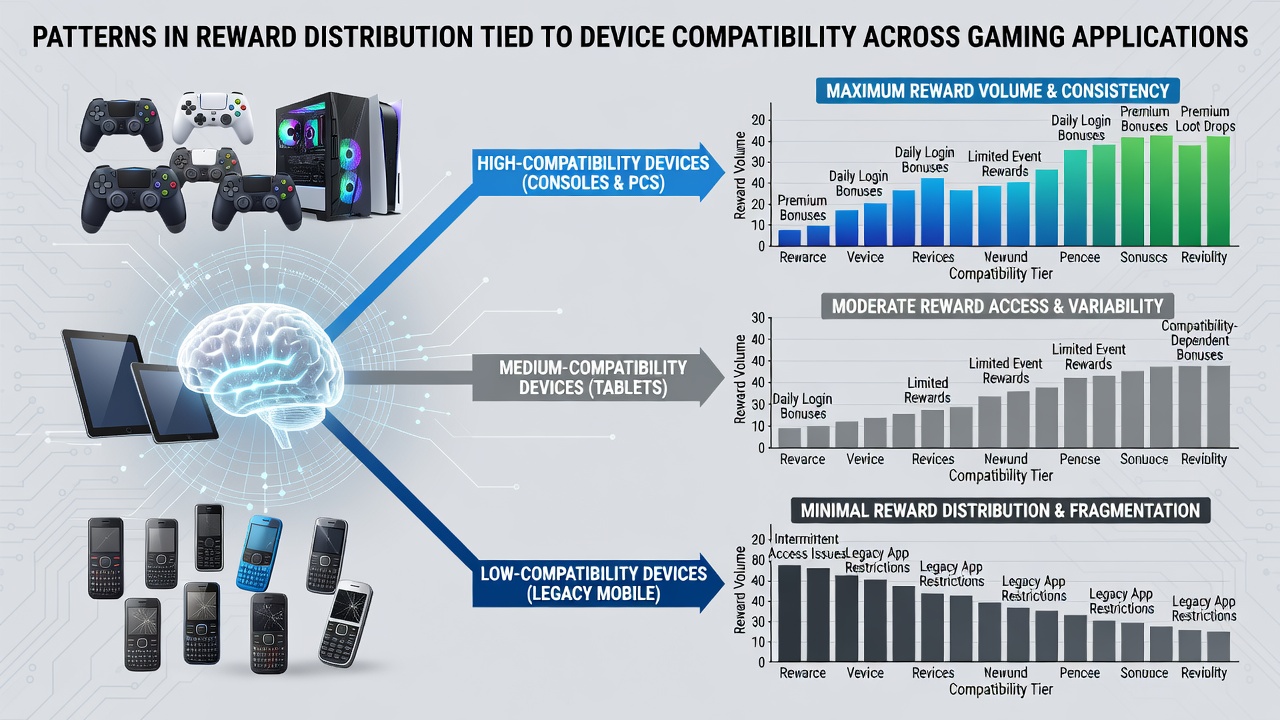
What's interesting is how these patterns extend to live dealer formats, where device compatibility determines the availability of real-time interaction bonuses and seamless payment features. Data shows that tablet users often fall into an intermediate category, receiving hybrid reward structures that blend mobile and desktop elements based on screen size and connectivity stability. Operators track these variables through backend analytics, allowing them to calibrate distributions without disrupting overall system integrity.
Technical Factors Influencing Reward Pathways
Compatibility issues arise from variations in operating system security protocols and payment processing integrations, which in turn shape how rewards accumulate and get distributed. Researchers discovered that applications supporting multiple device types implement tiered reward systems to account for differing update cycles, with iOS platforms typically requiring longer approval periods that delay new incentive rollouts. Those monitoring industry reports note that Android's open ecosystem permits faster adaptation, leading to more frequent but smaller reward adjustments tied directly to device compatibility testing results.
Additional patterns surface when examining secure transaction methods, since certain devices handle encrypted payments more efficiently and therefore qualify for elevated perks within loyalty programs. Evidence suggests that operators use compatibility scores to segment user bases, directing specific reward types toward platforms demonstrating reliable performance during high-traffic periods. This approach maintains fairness across applications while addressing the technical realities of diverse hardware configurations.
Regional Variations in Implementation
European regulatory frameworks, including those from the Malta Gaming Authority, require operators to document how device compatibility affects reward access, resulting in transparent reporting on distribution patterns across gaming applications. Similar oversight in Canadian provinces tracks mobile versus desktop reward allocations, revealing consistent trends where compatibility upgrades coincide with expanded incentive offerings. Observers note that these regional differences create global patterns when operators standardize their systems for international users, often aligning reward tiers with the most restrictive device requirements to ensure compliance.
Academic examinations from institutions studying digital entertainment economics further illustrate how device compatibility influences prize accumulation rates, with findings showing that users on fully compatible hardware accumulate rewards at measurably higher volumes during extended sessions. These observations hold across automated reel formats and interactive table games alike, underscoring the broad reach of compatibility-driven allocation strategies.
Conclusion
Patterns in reward distribution tied to device compatibility continue to evolve as gaming applications adapt to new hardware releases and software standards. Operators maintain these systems through ongoing testing and data analysis, ensuring that allocations reflect actual performance capabilities rather than arbitrary distinctions. The result is a landscape where device type serves as a primary determinant of reward access, shaping user experiences across platforms while supporting operational stability and regulatory adherence.