Synchronizing Payment Protocols with Tiered Incentives in Interactive Mobile Gaming
Henrik Hansen · Aug 12, 2026
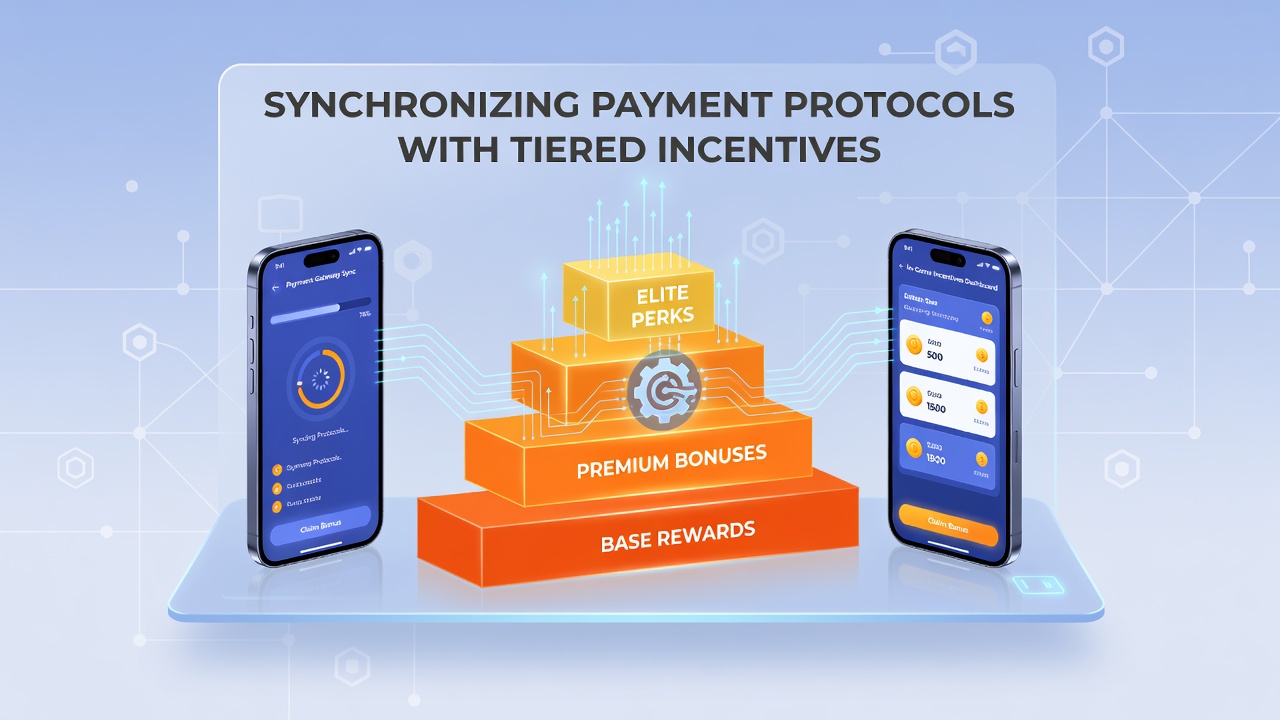
Aligning Digital Payment Systems with Graduated Incentive Programs in Interactive Mobile Gaming
Developers and operators continue to refine how transaction frameworks connect with multi-level reward structures across portable gaming platforms, and data from industry reports shows that seamless integration often correlates with higher user retention rates in competitive markets. Research indicates that when payment protocols sync directly with incentive tiers, players experience fewer interruptions during deposits, withdrawals, and reward redemptions, which in turn supports sustained engagement in interactive formats that blend slots, table games, and live dealer elements. Payment synchronization begins with standardized APIs that link banking gateways to game servers in real time, allowing instant verification of funds while simultaneously updating a user's position within loyalty hierarchies. According to figures released by the New Jersey Division of Gaming Enforcement, mobile igaming transactions processed through integrated systems reached record volumes during the first half of 2026, with tiered bonus unlocks occurring within seconds of completed payments rather than after manual reviews. This approach reduces latency and enables operators to deliver personalized incentives such as cashback percentages or free spin multipliers that scale automatically based on deposit size and frequency. Operators have observed that tiered incentives function most effectively when payment data flows directly into loyalty algorithms without intermediary steps. Systems that achieve this synchronization can adjust reward eligibility on the fly, for instance granting silver-tier users priority access to progressive jackpots after a qualifying deposit while reserving platinum-level perks like dedicated account managers for higher-volume players. Studies compiled by iGaming Ontario reveal that platforms employing these connected protocols reported a measurable uptick in average session lengths during spring 2026, particularly among users who activated new payment methods that triggered automatic tier progression. Security protocols play a central role in maintaining trust throughout the synchronization process. Encryption standards combined with tokenization ensure that transaction details remain protected even as they feed into reward calculation engines, and regulatory bodies across multiple jurisdictions require regular audits of these data pipelines. In August 2026, several North American operators began piloting enhanced two-factor authentication layers that verify both payment authorization and tier status in a single workflow, cutting down on duplicate security checks that previously delayed incentive delivery.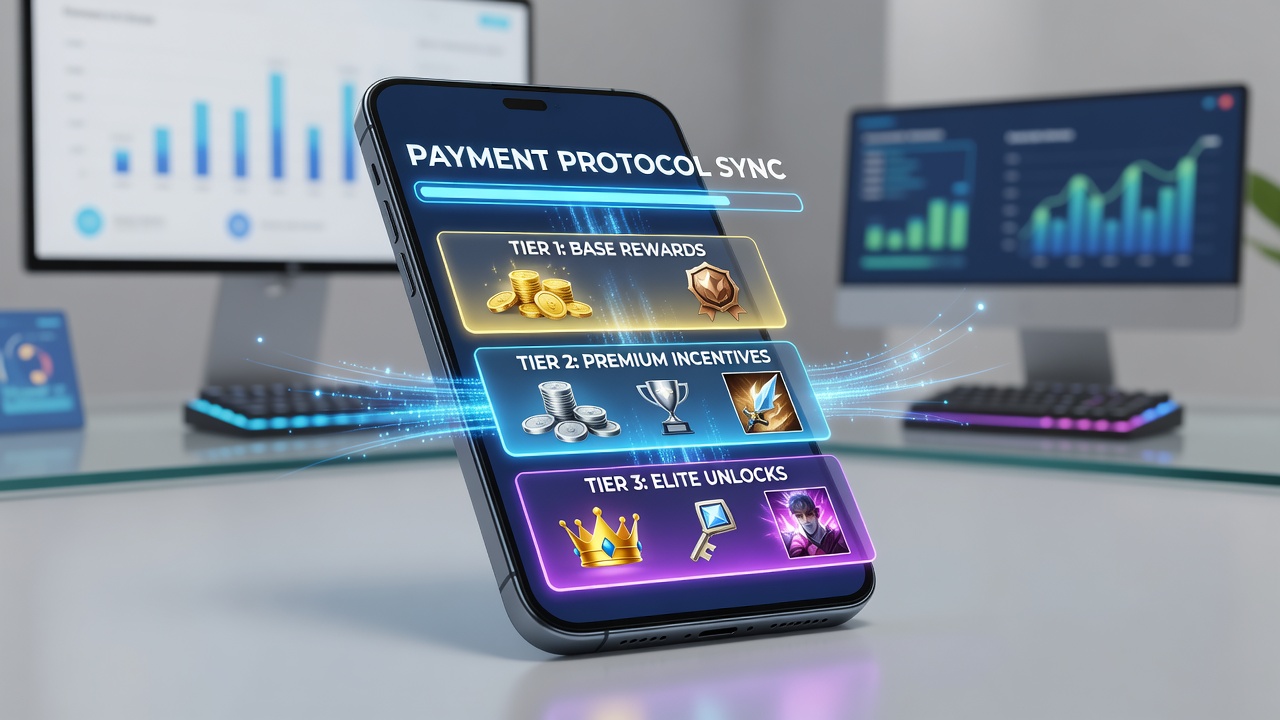
Developers and operators continue to refine how transaction frameworks connect with multi-level reward structures across portable gaming platforms, and data from industry reports shows that seamless integration often correlates with higher user retention rates in competitive markets. Research indicates that when payment protocols sync directly with incentive tiers, players experience fewer interruptions during deposits, withdrawals, and reward redemptions, which in turn supports sustained engagement in interactive formats that blend slots, table games, and live dealer elements. Payment synchronization begins with standardized APIs that link banking gateways to game servers in real time, allowing instant verification of funds while simultaneously updating a user's position within loyalty hierarchies. According to figures released by the New Jersey Division of Gaming Enforcement, mobile igaming transactions processed through integrated systems reached record volumes during the first half of 2026, with tiered bonus unlocks occurring within seconds of completed payments rather than after manual reviews. This approach reduces latency and enables operators to deliver personalized incentives such as cashback percentages or free spin multipliers that scale automatically based on deposit size and frequency. Operators have observed that tiered incentives function most effectively when payment data flows directly into loyalty algorithms without intermediary steps. Systems that achieve this synchronization can adjust reward eligibility on the fly, for instance granting silver-tier users priority access to progressive jackpots after a qualifying deposit while reserving platinum-level perks like dedicated account managers for higher-volume players. Studies compiled by iGaming Ontario reveal that platforms employing these connected protocols reported a measurable uptick in average session lengths during spring 2026, particularly among users who activated new payment methods that triggered automatic tier progression. Security protocols play a central role in maintaining trust throughout the synchronization process. Encryption standards combined with tokenization ensure that transaction details remain protected even as they feed into reward calculation engines, and regulatory bodies across multiple jurisdictions require regular audits of these data pipelines. In August 2026, several North American operators began piloting enhanced two-factor authentication layers that verify both payment authorization and tier status in a single workflow, cutting down on duplicate security checks that previously delayed incentive delivery.Core Components of Integrated Payment and Reward Frameworks
Mobile gaming platforms typically rely on three primary elements when linking payments to incentives: real-time data exchange protocols, dynamic tier classification engines, and user-facing dashboards that display current status alongside available rewards. Data exchange occurs through secure webhooks that transmit deposit confirmations directly to backend systems, triggering immediate recalculation of a player's standing. Classification engines then apply predefined rules, such as cumulative spend thresholds or game-type preferences, to assign or elevate tiers without requiring separate user actions. Those who have examined platform architectures note that dashboards serve as the visible bridge between technical synchronization and player perception. Clear indicators show how a recent transaction has advanced reward progress, complete with projected benefits at the next tier. This transparency helps maintain engagement because users receive immediate feedback rather than waiting for periodic statements or manual updates.Regional Variations in Implementation
Different markets apply these synchronized systems according to local regulations and player preferences. European operators often emphasize compliance with data protection rules while connecting payments to incentives, whereas certain Asian jurisdictions focus on speed of tier upgrades to accommodate high-frequency mobile users. Australian regulatory updates in mid-2026 highlighted the need for transparent audit trails that trace every payment event to its corresponding reward adjustment, ensuring accountability across automated processes.